
Total solar eclipse 12 August 2026
The first total solar eclipse over mainland Europe since 1999. In Sweden it was seen as a partial eclipse in the evening, with the largest coverage in the south.
This eclipse has already happened.
Facts
- Type
- Total
- Greatest eclipse
- Wednesday, 12 August 2026 at 19:47
- Longest totality/ring
- 2 min 18 s
- Visible in
- the Arctic, Greenland, Iceland and northern Spain
- Sweden
- Seen as a partial eclipse
- Magnitude (global max)
- 1.039
- Saros series
- 126
Where it is visible on Earth
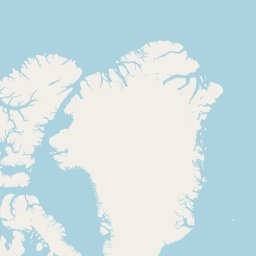
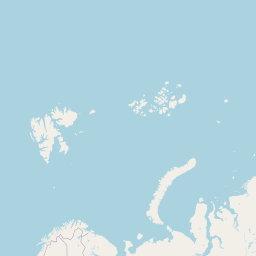
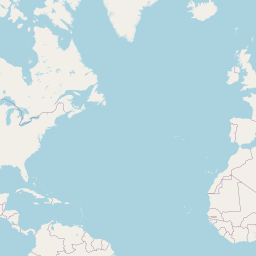
How it looks from Sweden
Local times for Sweden are only shown for upcoming eclipses. Next one visible in Sweden: 2 August 2027 →
How to watch safely – 12 August 2026
- A low evening Sun is deceptive
The Sun sat low over the horizon in Sweden and felt less dazzling, yet it could still harm the retina without you noticing.
- Eclipse glasses, not beach sunglasses
Only glasses marked ISO 12312-2 cut the light enough. Dark sunglasses let far too much through.
- Totality only along a narrow strip
In Iceland and northern Spain glasses could come off for just over two minutes. In Sweden the Sun was never fully covered, so protection had to stay on.
- A colander makes a pinhole camera
Hold a colander over the ground and you see dozens of small crescent Suns. An easy way to follow the eclipse without looking up.
Sources: global data (time of greatest eclipse, Saros, magnitude) from NASA/GSFC, Fred Espenak. Local times for Swedish cities from timeanddate.com. All times are shown in Swedish time (CET/CEST). The global time is the moment the eclipse is greatest somewhere on Earth, not in your city.