
Partial solar eclipse 12 June 2029
A partial eclipse early in the morning. In the far north of Sweden more of the Sun is covered than in the south.
Facts
- Type
- Partial
- Greatest eclipse
- Tuesday, 12 June 2029 at 06:06
- Longest totality/ring
- –
- Visible in
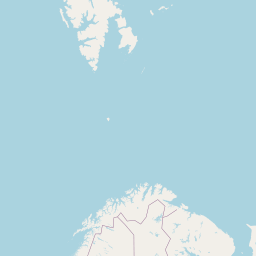
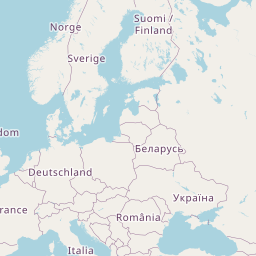
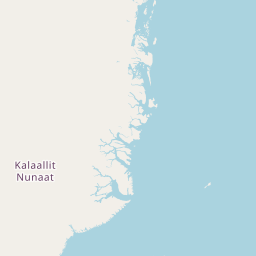
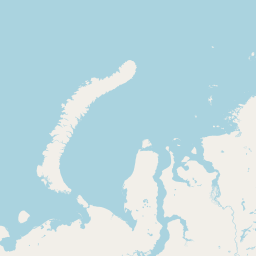
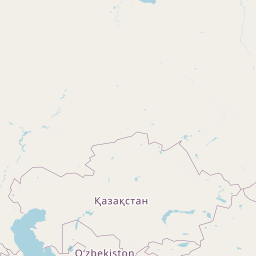
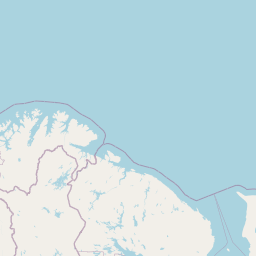
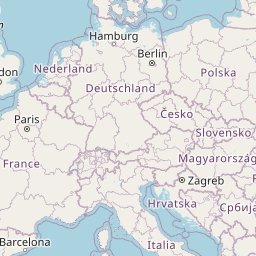
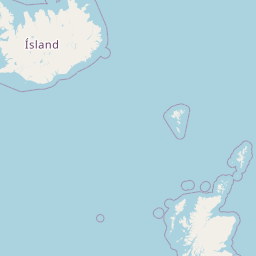
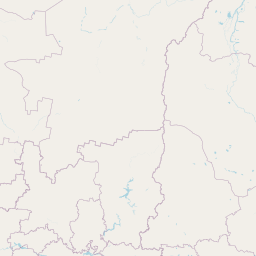
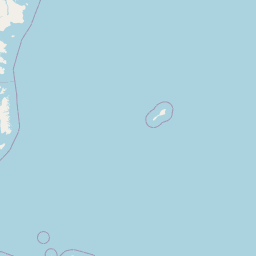
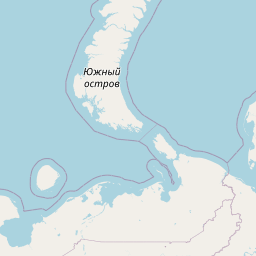
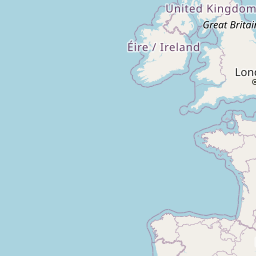
- the Arctic, Scandinavia, Alaska and northern Asia
- Sweden
- Seen as a partial eclipse
- Magnitude (global max)
- 0.458
- Saros series
- 118
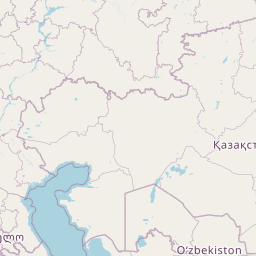
Where it is visible on Earth

How it looks from Sweden
| City | Begins | Max | Ends | Coverage | Sun altitude |
|---|---|---|---|---|---|
| Malmö | 04:28 | 05:02 | 05:36 | 20 % | 3° NE |
| Göteborg | 04:30 | 05:05 | 05:41 | 23 % | 5° NE |
| Stockholm | 04:30 | 05:04 | 05:40 | 21 % | 8° NE |
| Kiruna | 04:38 | 05:17 | 05:58 | 26 % | 14° NE |
How to watch safely – 12 June 2029
- Morning sun straight in your eyes
The eclipse happens early in the morning with the Sun low in the sky. It is easy to look straight into it – use glasses marked ISO 12312-2.
- A partial eclipse always needs protection
The Sun is never fully covered, not even in northern Sweden. Never take your glasses off while facing the Sun.
- Prepare the night before
Find a spot with a clear view to the northeast and lay out your glasses, so you don't have to rush in the morning light.
- See the crescent with a mirror
A small mirror can reflect the Sun's image onto a shaded wall. Look at the wall, never into the mirror.
Sources: global data (time of greatest eclipse, Saros, magnitude) from NASA/GSFC, Fred Espenak. Local times for Swedish cities from timeanddate.com. All times are shown in Swedish time (CET/CEST). The global time is the moment the eclipse is greatest somewhere on Earth, not in your city.