
Annular solar eclipse 1 June 2030
An annular eclipse over North Africa, Greece and Turkey. In Sweden it is seen as a partial eclipse in the morning.
Facts
- Type
- Annular
- Greatest eclipse
- Saturday, 1 June 2030 at 08:29
- Longest totality/ring
- 5 min 21 s
- Visible in
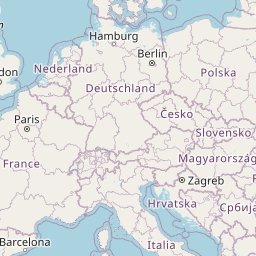
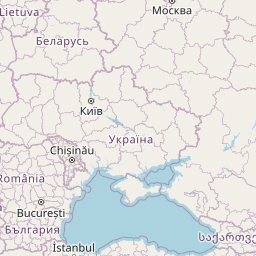
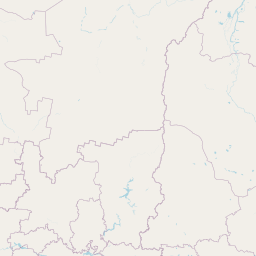
- Algeria, Tunisia, Greece, Turkey, Russia, northern China and Japan
- Sweden
- Seen as a partial eclipse
- Magnitude (global max)
- 0.944
- Saros series
- 128
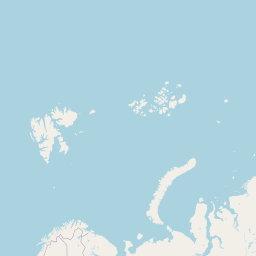
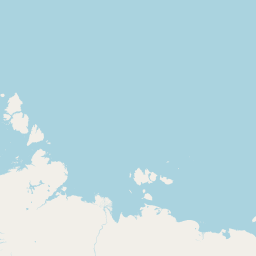
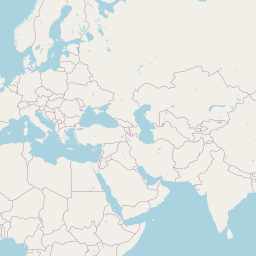
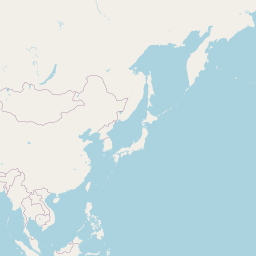
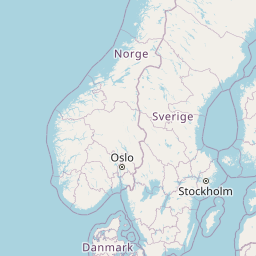
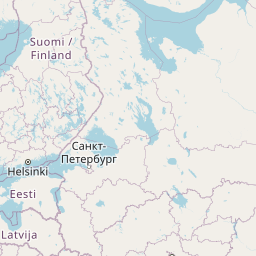
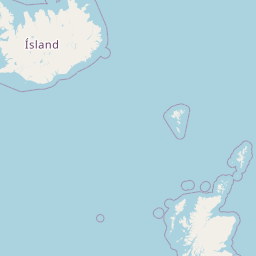
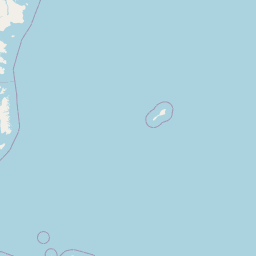
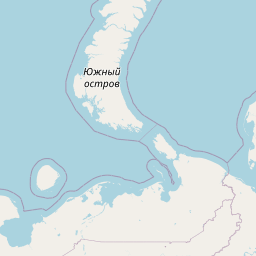
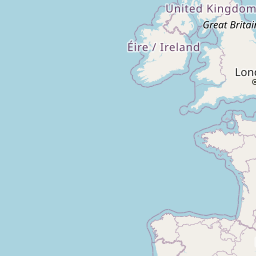
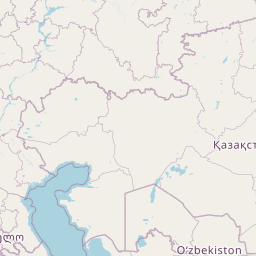
Where it is visible on Earth
How it looks from Sweden
| City | Begins | Max | Ends | Coverage | Sun altitude |
|---|---|---|---|---|---|
| Malmö | 06:26 | 07:27 | 08:33 | 62 % | 21° E |
| Göteborg | 06:30 | 07:31 | 08:36 | 59 % | 21° E |
| Stockholm | 06:32 | 07:35 | 08:42 | 61 % | 25° E |
| Kiruna | 06:50 | 07:51 | 08:56 | 52 % | 27° E |
How to watch safely – 1 June 2030
- A covered Sun is still sharp
In Sweden a large part of the Sun is hidden in the morning, but the rest shines at full strength. The eye feels no pain when the retina is damaged.
- The ring in Greece and Turkey
If you travel to the ring zone you need protection the whole time – the ring is too bright to view without a filter.
- Test your glasses in advance
Through real eclipse glasses you see nothing except the Sun. If you can see lamps or your surroundings, they are not safe.
- Watch it in the leaves
Under a tree you'll see hundreds of tiny crescents or rings on the ground. A safe way for the whole family.
Sources: global data (time of greatest eclipse, Saros, magnitude) from NASA/GSFC, Fred Espenak. Local times for Swedish cities from timeanddate.com. All times are shown in Swedish time (CET/CEST). The global time is the moment the eclipse is greatest somewhere on Earth, not in your city.